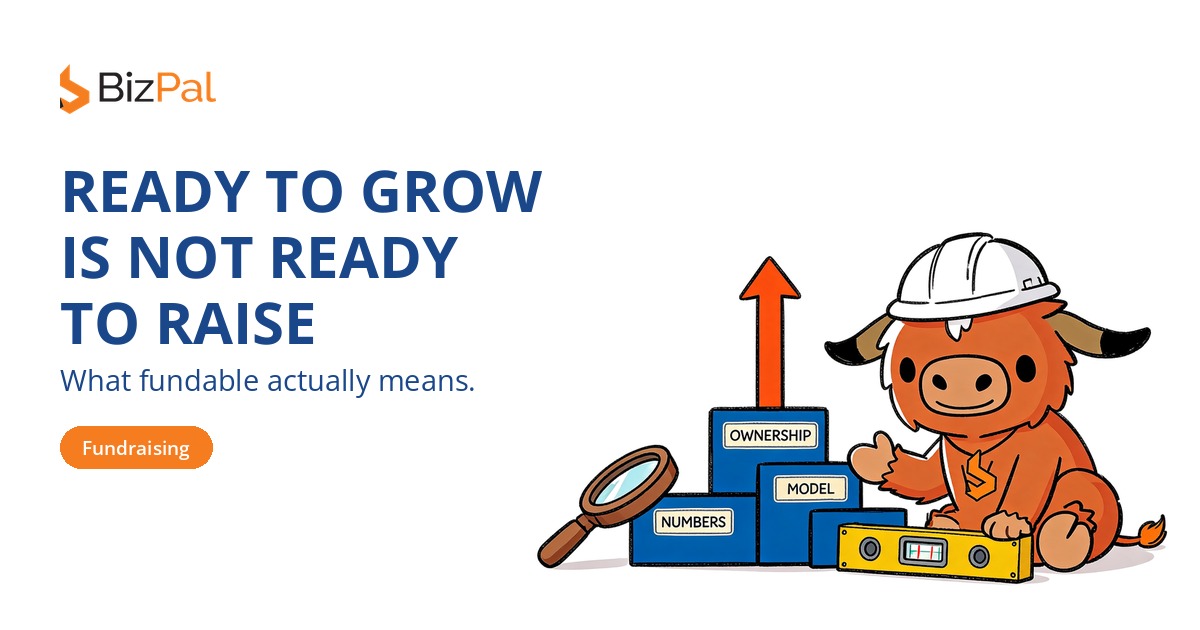
Growing and fundable are two different states. Most owners only find out which one they are in when they are already sitting in front of an investor.
Most businesses are ready to grow. Almost none are ready to raise.
That sounds like a contradiction, because the owner who is ready to grow assumes the business is fundable and the capital will follow. Demand is there. The second outlet, the second line, the bigger warehouse: all of it is obvious. The only thing missing is money, so the owner goes looking for it, and the search is treated as the hard part.
It is not the hard part. It is the wrong part. Ready to grow is a fact about your market. Ready to raise is a fact about your evidence, and the two have almost nothing to do with each other. A business can be one without being the other, and most are.
Why do growing businesses still get turned down?
Here is the pattern, and it repeats across every market we work in. The business has been running for eight or twelve years. Revenue is somewhere between RM2M and RM20M. Growth has been funded from retained profit and the owner's personal guarantee. Then an opportunity arrives that profit alone cannot fund, the bank says no or says "not enough", and the owner starts looking for an investor, as if the missing piece were a person.
Six months later there have been introductions, coffee meetings, a rebuilt deck and two or three second meetings. The answer is still no. Worse, it never arrives with a reason the owner can act on. Investors rarely say "your numbers do not reconcile" or "I cannot see your margin by product". They say "not the right fit for us at this stage", and the owner concludes that the problem is the investor, or the story, or the timing of the market.
The counter-argument deserves a fair hearing, because it is what every article on fundraising says. Find the right investor. Tell the story better. Polish the deck. There is some truth in it: a bad deck loses meetings, and a fund with the wrong mandate will not invest however good the business is. But if that were the whole explanation, the failure rate would be modest. It is not. 97% of SMEs fail at fundraising, and the businesses in that number are not bad businesses. They are businesses whose evidence could not be verified fast enough, in a form a stranger could check, while the investor was still paying attention.
So here is the direct answer to the question most owners arrive with, which is "am I fundable, and how would I know before the meeting?" A business is ready to grow when demand is running ahead of capacity. It is ready to raise when a stranger can verify how it works, in days, without you in the room. The first is about the market. The second is about evidence. Evidence takes months to build, which is why the businesses that raise quickly did not find a better investor. They started building before the need arrived.
What does fundable actually mean?
Owners use the word as if it were a verdict. The investor looks at the business, weighs it, and decides: fundable or not. Under that view, the owner's job is to present well and hope the verdict goes their way.
Investors do not use the word that way. To an investor, fundable is a measurement, and the unit is time: how long it takes to confirm that what you have said about the business is true. Reconciled accounts, revenue broken down by product and customer, a current cap table and signed agreements. If those can be handed over and checked in two days, the business is fundable, whatever its size. If they take six weeks to assemble, it is not, whatever it is worth. The investor is not deciding anything. They are checking, and they are checking against a clock, because a fund that looks at a hundred businesses a year cannot spend three weeks on one whose numbers turn out not to add up.
This is the shift, and it changes what the owner should be doing with their time. Fundable is not a property of the business that the investor discovers. It is a property of the evidence, and the evidence is built by the owner, in the months before anyone asks for it. The investor only confirms what is already there. That is also why "tell the story better" fails as advice. A story that has to be believed is exactly what the investor is trying to replace with a picture that can be checked. The better the story, the more suspicious a careful investor becomes if the documents behind it are thin.
There is a second consequence, and it matters more than the first. Because evidence takes months to build, readiness has to start before the need. The owner who begins when the bank says no is already late, not because the business is weak but because the clock has started and the documents are not ready. Capital readiness is not something you find at the moment you need capital. It is something you build in the year before, whether or not a raise is in view.
Fundable is not something an investor decides about your business. It is something you build, and the investor only checks it.
How long does it take to become fundable?
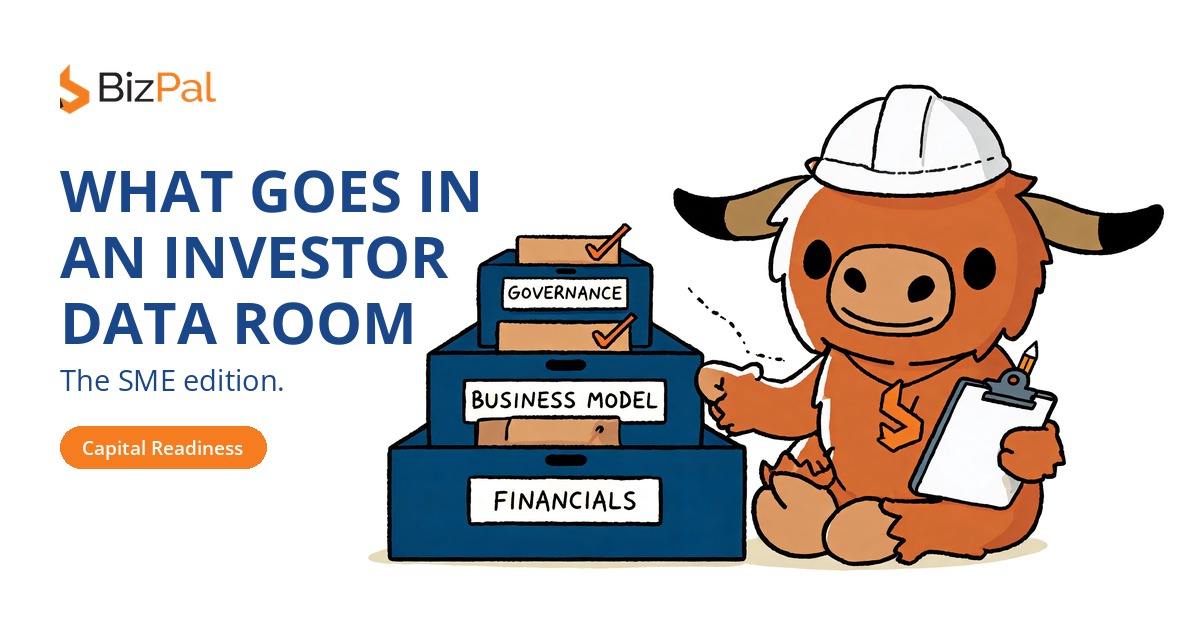
For most owner-managed businesses, roughly twelve months, and the work falls into three moves that go in order because each one depends on the one before it. The document-level detail sits in What Goes in an Investor Data Room (SME Edition). What follows is the sequence and the reason for it.
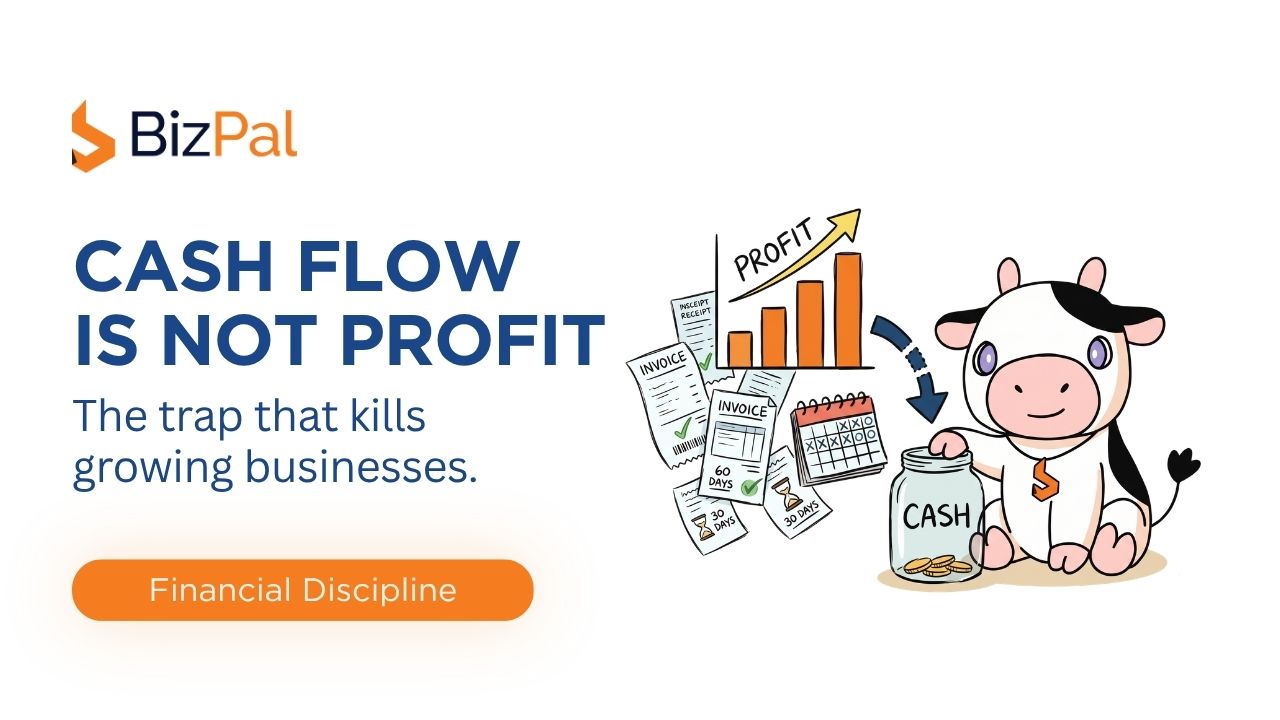
The first move is to get the numbers to reconcile. Most SMEs run two sets of figures without meaning to: management accounts prepared for running the business, and audited or tax accounts prepared for the authorities. Nobody has ever made them agree. An investor finds the gap in the first hour, and from that point every other number is treated as unverified. Closing that gap means monthly management accounts that tie to the bank statements and to the year-end figures, with a one-page bridge explaining any difference. It also means a forecast with its assumptions written down, because an investor reads a forecast to learn how you think, not to learn the future. This is the move that takes longest, because it needs several months of clean, reconciled periods before it proves anything. Three reconciled months is a start. Twelve is evidence. If you want to understand why the cash side of this matters more than the profit side, Cash Flow Is Not Profit covers it.
The second move is to get the revenue to show its shape. Revenue of RM8M tells an investor nothing about whether next year's RM8M will arrive. Revenue of RM8M by product, by channel and by customer, with the top ten customers named and their share shown, tells them almost everything. Gross margin by product line shows which products make money and which only make volume. This is the move that surprises owners most, because building it usually reveals something the owner half-knew and had never looked at directly: one customer at 40% of sales, or a third of volume running at single-digit margin. That discovery is uncomfortable, and it is the point. Found by the owner, it becomes a pricing decision and a diversification plan. Found by the investor's analyst, it becomes the reason in the memo.
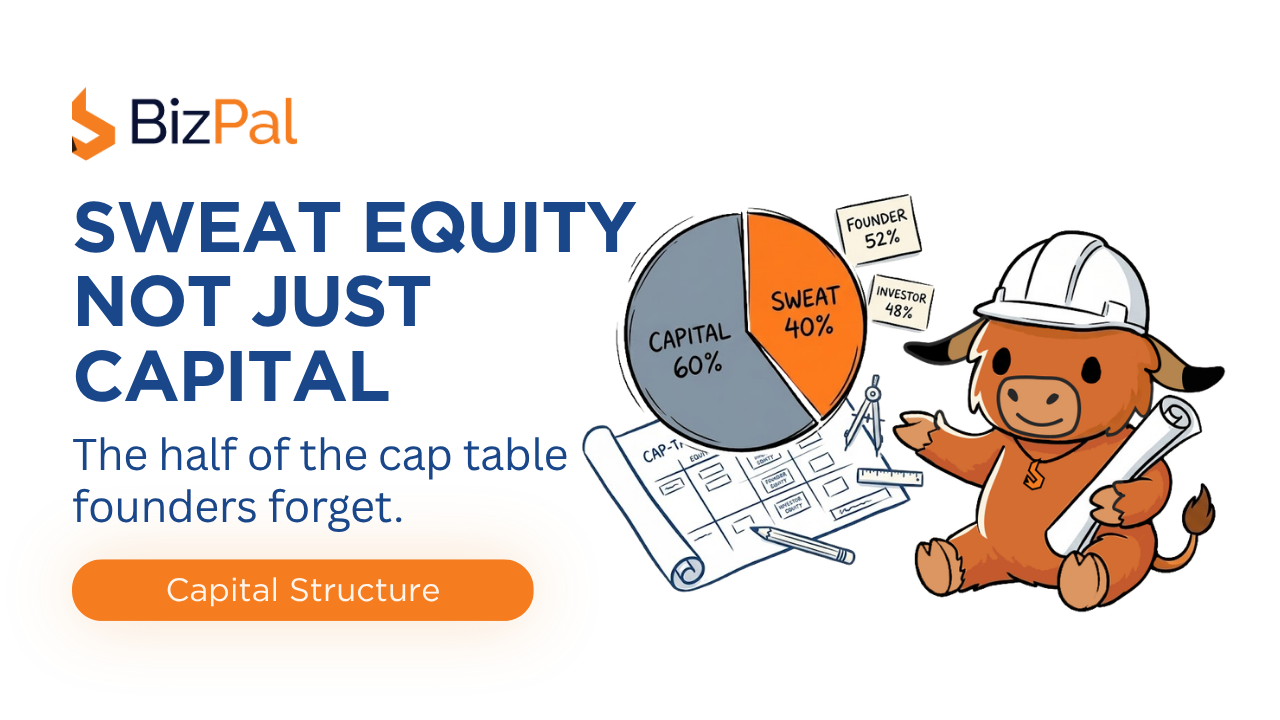
The third move is to get the ownership written down. Who owns what, under which agreement, with which obligations attached. In family-run businesses the shareholders' agreement is often out of date, unsigned, or never drafted because the arrangement was understood rather than written. Related-party dealings, a director's property leased to the company or a supplier owned by a cousin, are not problems in themselves. They become problems when they are discovered rather than disclosed. Everything in this move is cheap to fix before a raise and expensive to fix during one, because during a raise it gets negotiated instead of simply corrected.
Three moves, in that order, over roughly a year. None of them requires an investor to be in the picture. All of them make the business easier to run in the meantime, which is the quiet argument for starting now: the same evidence that makes a stranger confident is the evidence an owner should be running the company from anyway. Investors are simply the first people to check.
What does the difference look like in practice?
Take two trading businesses in the Klang Valley. Same revenue, RM8M. Same margin profile. Same ask: RM2M of working capital to take on a larger distribution contract, both in the same quarter last year. On paper, the same investment.
The first owner started when the bank declined. The management accounts had never been reconciled to the audited figures, so the first three weeks went on a bridge between the two. Revenue by customer did not exist as a report, so it was rebuilt by hand from invoices. The shareholders' agreement turned out to be a 2017 draft that nobody had signed, and a lawyer was engaged in week four. The investor asked for the data room in week one and received a complete one in week six. By week three, the investor's attention had moved to the next business on the list. The answer, when it came, was "let's stay in touch."
The second owner had started twelve months earlier, with no raise in view, because a mentor had asked a simple question: if someone offered you money tomorrow, how long would it take you to prove your numbers? The honest answer had been "weeks", and that had been enough to start. By the time the distribution contract appeared, the monthly accounts had reconciled to the bank for a year, revenue by product and customer was a standing report, and the cap table and agreements were current. The investor asked for the data room on a Monday and had verified it by Thursday. Four days. The conversation that followed was about terms, and the term sheet arrived in week five.
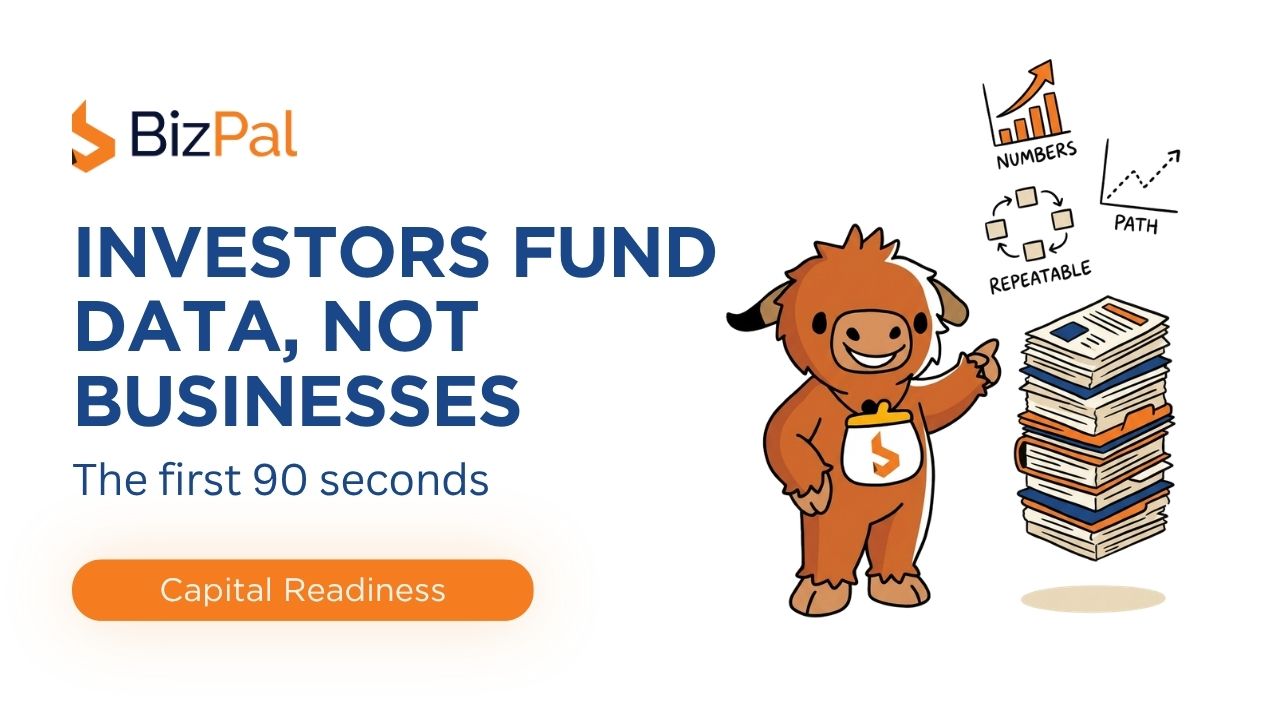
Same business quality, same market, same ask, same quarter. The only variable was when the evidence was built. One owner was looking for capital. The other had built the state that capital looks for, and the difference between them was not a better investor, a better deck or a better story. It was twelve months. If you want the investor's side of that exchange, Why Investors Fund Data, Not Businesses describes what they are actually looking at in the first ninety seconds.
Where do you start?
Ask yourself the mentor's question and answer it honestly, in writing. If someone offered you capital tomorrow, how many days would it take to prove your numbers, show the shape of your revenue, and hand over a current picture of who owns what? If the answer is under a week, you are ready to raise, whether or not you want to. If the answer is "weeks" or "I would have to check", you are ready to grow and not yet ready to raise, and that is the most useful thing you can know about your business this year.
Then pick the date of the raise you might need. Not the one you are planning, the one that might arrive: the contract that is bigger than your working capital, the competitor for sale, the second site. Count back twelve months from it. If that date has already passed, start with the numbers this week, because the first move takes longest and everything else waits on it.
Ready to grow is a fact about your market. Ready to raise is a fact about your evidence. The first will arrive on its own. The second has to be built, and the businesses that raise quickly are the ones that built it before anyone asked.